
Agora 2026-1 Place-based Learning
Non-members can purchase digital issues from the HTAV Shop.
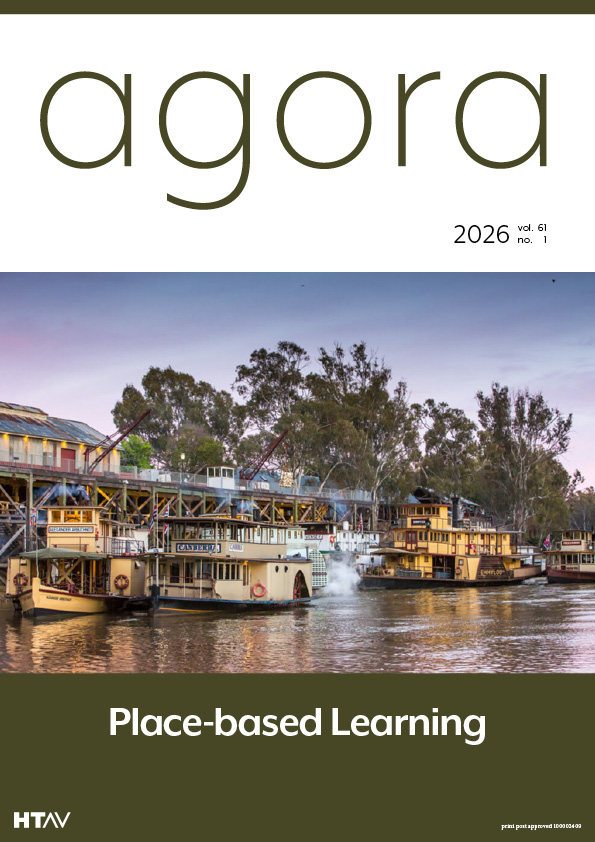
Place-based Learning | Agora vol. 61 no. 1 (2026)
 |
|
REFLECTION & EDITORIAL |
Reflection Elisa Litvin |
| SUNGRAPHO Research and analysis |
|
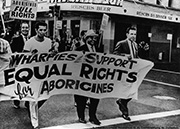 |
Confronting Dispossession and Exclusion in the History of Modern Australia Liam Byrne New scholarship is giving voice to the Indigenous and migrant workers who were excluded from Australia’s early union movement. |
THEMA Reflections on the theme |
|
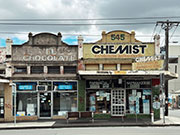 |
History in Plain Sight: Exploring Melbourne’s Ghost Signs Sean Reynolds Ghost signs are place-based opportunities to recognise the continuity between the people who built a local community and those who inhabit it now. |
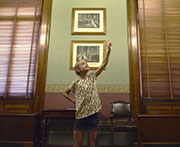 |
The Value of Historic Site Visits Katie Dunning Placing themselves in the same physical space as an historical event can allow students to analyse, question and evaluate history far more successfully than by mere rote retention. |
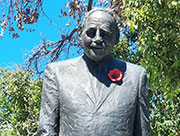 |
Elisa Litvin Statues along the St Kilda Road/Swanston Street corridor provide opportunities for students to develop their own historical judgements about who is being commemorated and why. |
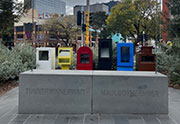 |
Opportunities for Place-based Learning in VCE Australian History Tania Ragusa A walking tour of Melbourne’s CBD provides opportunities for VCE Australian History students to encounter historical sites that inform their investigation of power and resistance. |
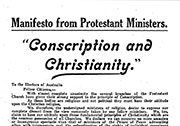 |
Right Where It Happened: The Melbourne Anti-Conscription Protests of World War I Alexandra Pierce A free audio tour brings to life the locations of anti-conscription protests and events in Melbourne during World War I. |
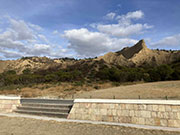 |
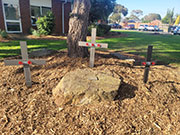
Connecting the Grand Narrative of World War I to Local Microhistories Laura Rogers Using one’s local context as a starting point for studying World War I can also bring Anzac history to life. |
 |
Bringing our Anzac Heritage to Life in the Classroom and Beyond Nicole Scott Relationships between schools and local RSL organisations can create History lessons that students will remember long after they have completed their studies. |
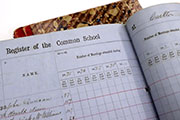 |
Archiving School Records for Future Generations Natasha Cantwell Later this year the histories of Victoria’s government schools, dating back to 1850, will be discoverable through the archives of Public Record Office Victoria. |
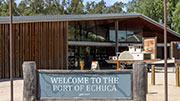 |
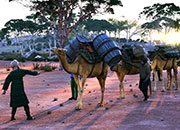
Anchoring History at the Port of Echuca Rowena Morris Echuca was home to Victoria’s second largest port. Its riverboat economy remains afloat within an educational precinct that brings to life the Murray River’s history. |
 |
Story, Site and Self: A Learning Journey Beyond the Classroom Jacquie Bourtzis Teaching of Australia’s rich history can be transformed through the lens of storytelling, immersive excursion experiences and activities that connect history with identity. |
 |
Teaching the Holocaust through Sites of Memory and Place-based Learning Eleni Joseph A Year 10 visit to the Melbourne Holocaust Museum can deepen historical understanding through inquiry, reflection and disciplinary thinking. |
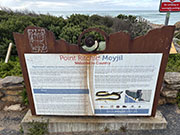 |
Learning about Country through Localised Historical Inquiries Rebecca Cairns and Will King First Nations sites on Country are an excellent resource to teach First Nations history as part of the primary curriculum. |
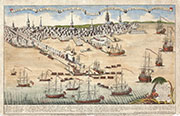 |
Building Revolutionary Knowledge and Skills through a Better Understanding of Place Jodie Smith A teacher shares how place-based learning shapes their approach to teaching the American Revolution. |
| KRITIKOS Reviews |
All reviews are available online
|
Events Calendar
- 21 Oct 26
-
29 Oct 26
History Teaching Masterclass: Difficult Histories and Polarised Societies
3:50 pm – 5:30 pm 29 Oct 26 - 12 Nov 26




 /htav_ed